.svg)


Mastery

The NYC Department of Education (NYC DOE) supports mastery-based learning (MBL) as an educational approach, particularly through initiatives like the Mastery Collaborative. While the DOE has a general grading policy framework, individual schools have the autonomy to adopt and implement MBL and its associated grading systems.
Key Details
Mastery Collaborative
This is a program within the NYC DOE that supports a community of dozens of member schools in implementing student-centered, competency-based (mastery-based) learning with a focus on cultural responsiveness and equity.
School-Based Implementation
MBL is not a system-wide mandate, but rather an option that individual schools can choose to adopt. Schools like NYC iSchool and School of the Future Manhattan are examples of those that have implemented MBL grading policies.
Focus on Learning, Not Just Grades
A core principle of the MBL approach is to shift the focus from accumulating points to achieving a deep understanding of the material. Students who do not demonstrate mastery on an assessment are given additional instruction, support, and opportunities to re-do assessments until they reach proficiency.
Grading Policies
In MBL schools, grades reflect how well a student understands the subject matter and specific skills, rather than factors like behavior or attendance (which are tracked separately). Schools determine their own specific grading scales and conversion methods.
Benefits of Mastery-Based Learning
Improved Student Engagement
Students become more actively involved in their learning process, taking ownership of their educational journey.
Better Academic Outcomes
Focus on deep understanding rather than superficial knowledge leads to stronger long-term retention and application.
Reduced Test Anxiety
The NYC Public Schools website provides various resources for students and parents.
Increased Equity
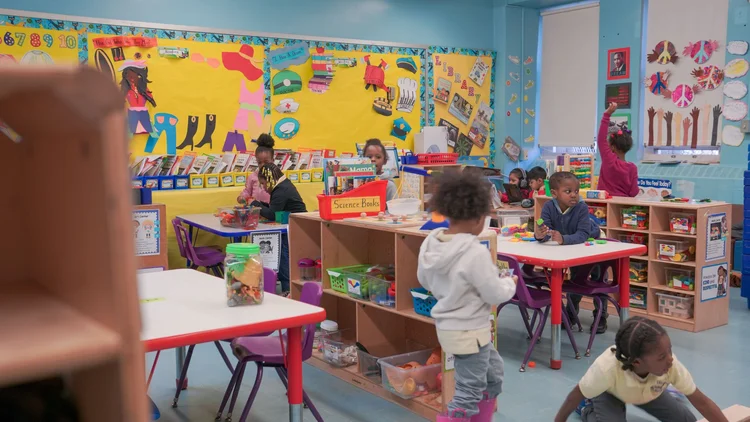
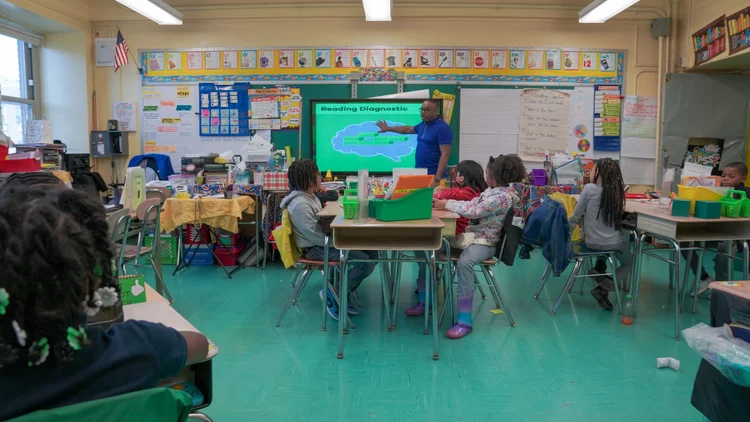
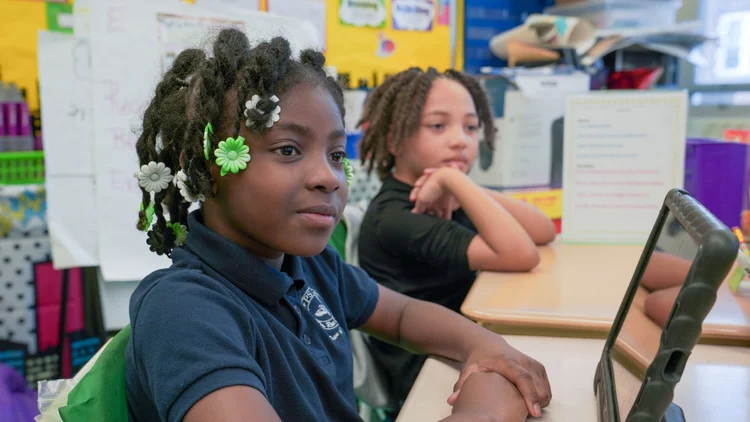
Mastery-Based Learning in Action
Resources
The NYC DOE provides resources and tools for educators interested in "Building towards mastery" through its WeTeachNYC portal.
In summary, the NYC DOE does not mandate a single, system-wide mastery approach, but actively supports schools that choose to implement this model, especially through the Mastery Collaborative program.

.png)
